The Hidden Dangers of Letting Junk Pile Up at Home
March 31, 2026
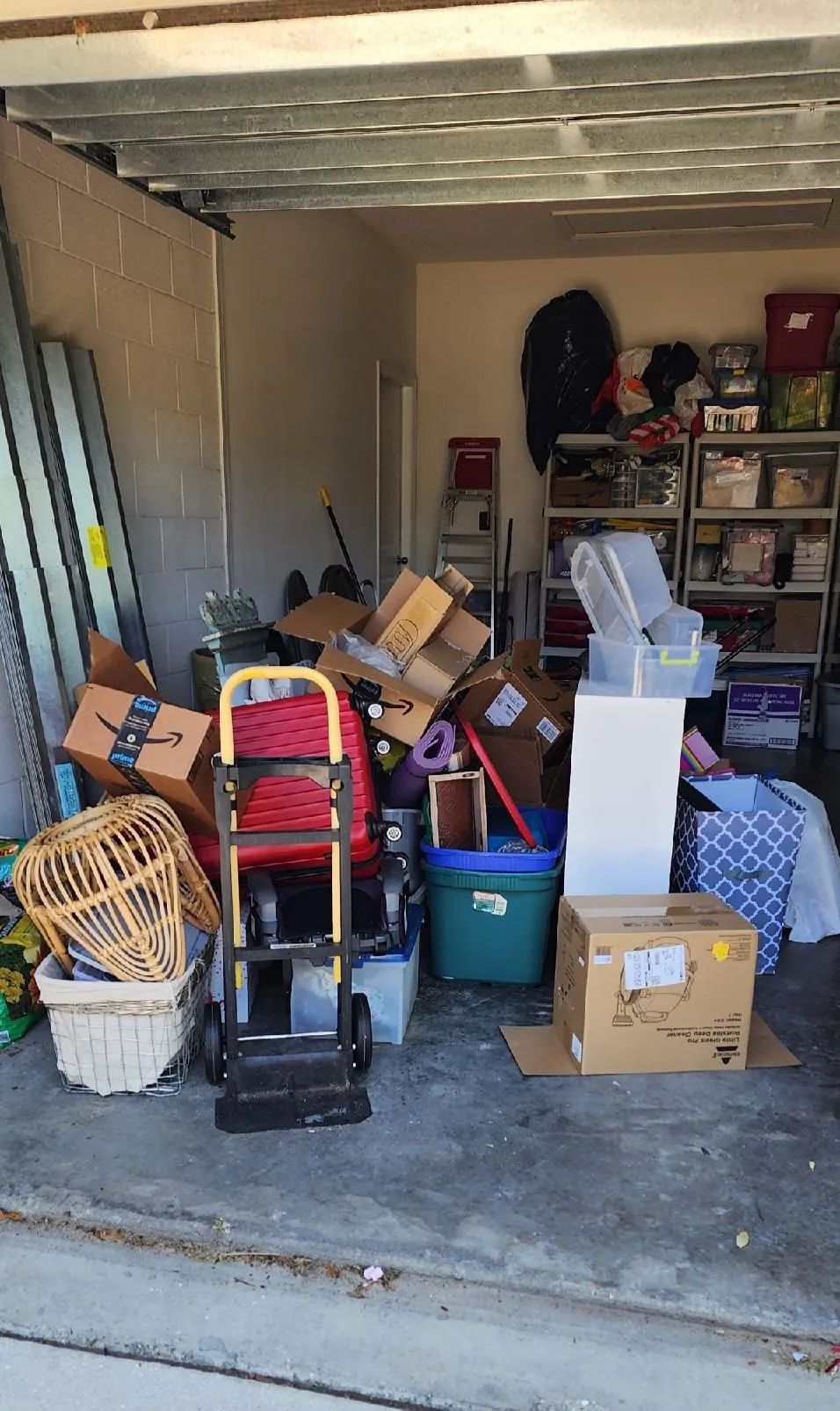
Junk accumulation is often dismissed as a minor inconvenience, something that can be addressed “later” when time permits. However, what begins as a few unused items in a corner can quickly escalate into a serious problem that affects health, safety, and overall quality of life. In today’s fast-paced world, where consumption is high and time is limited, clutter tends to build up faster than we realize. From old furniture and broken appliances to piles of unused belongings, unmanaged junk can silently create hazards that go far beyond visual untidiness. Understanding these hidden dangers is essential for maintaining a safe, functional, and healthy living environment. Left unchecked, clutter can gradually take over valuable living areas, making daily routines more difficult and less efficient. It can also create a sense of disorder that impacts how we perceive and interact with our own homes.
The impact of accumulated junk extends into multiple aspects of daily life, including physical well-being, mental health, property value, and even financial stability. Excess clutter can harbor allergens, pests, and bacteria, while also increasing the risk of accidents and fire hazards. Moreover, it contributes to stress, reduces productivity, and limits usable space within the home. By recognizing the risks associated with letting junk pile up, we can take proactive steps to maintain a cleaner, safer, and more organized living space that supports long-term comfort and well-being. Over time, these negative effects can compound, leading to higher maintenance costs and reduced livability. Taking early action not only preserves your space but also promotes a healthier and more balanced lifestyle.
The Health Risks of Accumulated Junk
Exposure to Allergens and Pollutants
When junk piles up, it becomes a breeding ground for dust, mold, and airborne pollutants. Items that sit untouched for long periods collect allergens that can trigger respiratory issues such as asthma, allergies, and chronic coughing. Old carpets, damp cardboard boxes, and neglected upholstery are particularly prone to harboring mold spores and bacteria.
In many homes, cluttered areas are rarely cleaned thoroughly, allowing contaminants to build up unnoticed. This creates an unhealthy indoor environment that affects not only sensitive individuals but also otherwise healthy occupants over time.
Increased Pest Infestation
Accumulated junk provides the perfect hiding and nesting spots for pests such as rodents, cockroaches, and insects. These pests thrive in dark, undisturbed environments and can quickly multiply if left unchecked. Once established, infestations become difficult and costly to eliminate.
Pests also carry diseases and contaminate surfaces, posing serious health risks. For example, rodents can spread bacteria through droppings, while cockroaches are known to trigger allergies and asthma attacks.
Poor Air Quality and Ventilation
Clutter restricts airflow within a home, leading to poor ventilation. This can trap humidity, odors, and pollutants, creating an environment that feels stale and uncomfortable. Over time, poor air circulation can contribute to headaches, fatigue, and decreased overall health.
Maintaining clear and open spaces is essential for proper airflow and indoor air quality, making junk removal a critical component of a healthy home.
Safety Hazards You Might Overlook
Increased Risk of Accidents and Injuries
One of the most immediate dangers of excessive junk is the increased risk of trips, slips, and falls. Items left on floors, stacked improperly, or stored in walkways create obstacles that can easily cause accidents. This is particularly dangerous for children, elderly individuals, and pets.
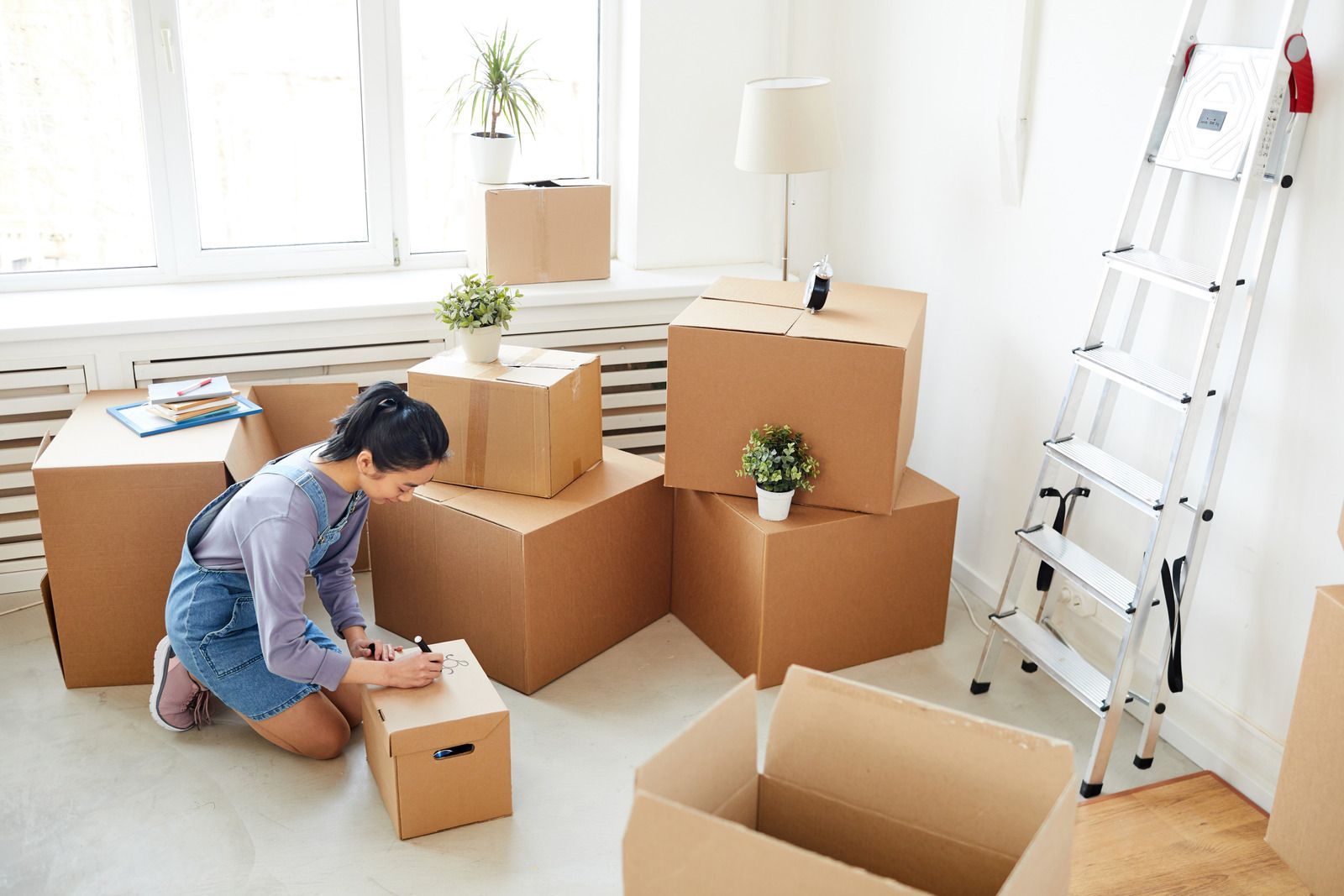
For example, a stack of boxes placed near a hallway may seem harmless but can quickly become a tripping hazard in low-light conditions. Similarly, unstable piles of items can collapse, causing injury or damage.
Fire Hazards and Emergency Risks
Clutter significantly increases the risk of fire hazards. Flammable materials such as paper, cardboard, and old fabrics can easily ignite if exposed to heat sources. Additionally, excessive junk can block access to exits, making it difficult to evacuate quickly in an emergency.
In many cases, cluttered homes also hinder the ability of emergency responders to navigate the space efficiently. This delay can have serious consequences during fires or medical emergencies.
Structural Strain on Property
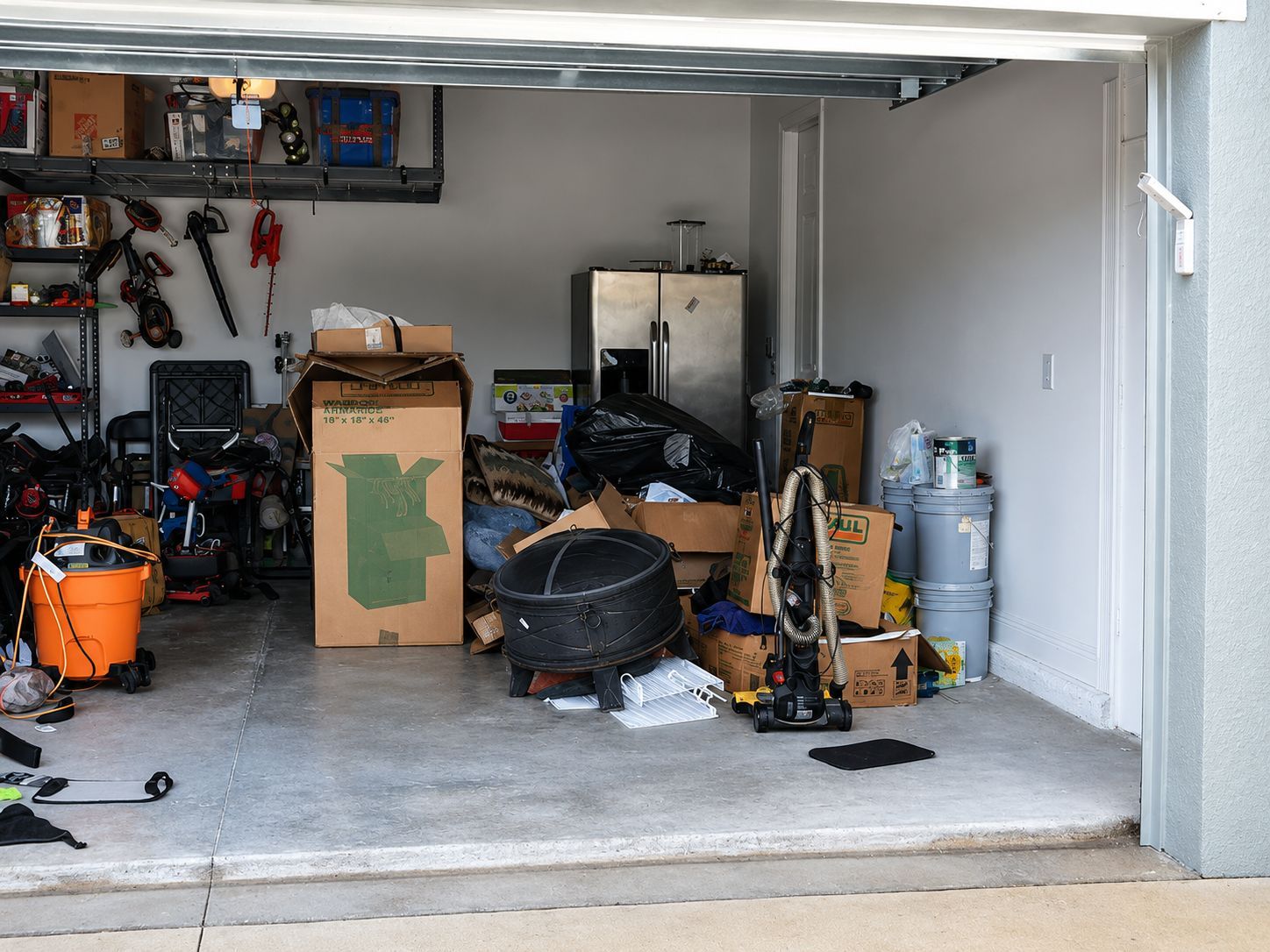
Heavy accumulation of items in certain areas can place stress on floors, walls, and storage systems. Overloaded shelves, packed garages, and cluttered basements may compromise structural integrity over time.
Ignoring these risks can lead to costly repairs and long-term damage to the property, emphasizing the importance of regular decluttering and proper organization.
The Psychological Impact of Clutter
Stress, Anxiety, and Mental Fatigue
Living in a cluttered environment can significantly affect mental health. Excess junk creates visual chaos, which can overwhelm the brain and increase stress levels. Studies have shown that cluttered spaces are associated with higher levels of anxiety and reduced ability to focus.
When the home environment feels disorganized, it can be difficult to relax or concentrate, leading to mental fatigue and decreased productivity.
Reduced Motivation and Productivity
Clutter often leads to procrastination. When spaces are filled with junk, even simple tasks can feel overwhelming. This can create a cycle where clutter continues to build because it feels too daunting to address.
For example, a cluttered home office may reduce work efficiency, while a disorganized kitchen can discourage healthy meal preparation. Over time, this impacts daily routines and overall quality of life.
Emotional Attachment and Decision Paralysis
Many people struggle to let go of items due to emotional attachment or the fear of needing them in the future. This can result in decision paralysis, where nothing is discarded, and clutter continues to grow.
Understanding the emotional aspect of clutter is essential for overcoming it. Developing a practical mindset toward belongings helps create a healthier relationship with possessions and encourages better organization habits.
Financial and Property Value Implications
Hidden Costs of Clutter
Accumulated junk can lead to unexpected expenses. Pest infestations, mold remediation, and structural repairs are all potential costs associated with neglecting clutter. Additionally, clutter can cause damage to valuable items that are buried or improperly stored.
For instance, storing electronics in damp or overcrowded spaces may lead to irreversible damage, resulting in financial loss.
Reduced Property Appeal and Value
A cluttered home is less appealing to potential buyers or renters. Even if the property itself is structurally sound, excessive junk can make spaces appear smaller, darker, and poorly maintained.
Real estate professionals often emphasize the importance of decluttering before listing a property. Clean, organized spaces allow buyers to visualize the full potential of the home, ultimately increasing its market value.
Increased Maintenance Challenges
Managing a cluttered home requires more time and effort for cleaning and maintenance. Dusting, vacuuming, and organizing become more difficult when surfaces are covered with unnecessary items.
Over time, this leads to neglect of routine maintenance tasks, which can further contribute to property deterioration and increased long-term costs.
Best Practices for Preventing Junk Accumulation
Adopt a Proactive Decluttering Routine
Regular decluttering is the most effective way to prevent junk buildup. Setting aside time each month to evaluate and remove unnecessary items helps maintain a manageable living space.
A simple rule to follow is to remove one item for every new item brought into the home. This helps control the overall volume of possessions and prevents clutter from accumulating.
Organize with Purpose
Effective organization involves more than just storing items—it requires intentional placement and accessibility. Using labeled storage systems, shelves, and containers can help keep belongings in order.
Designating specific areas for frequently used items reduces the likelihood of clutter forming in common spaces such as living rooms and kitchens.
Prioritize Safety and Accessibility
Ensuring that pathways, exits, and essential areas remain clear is crucial for safety. Regularly inspecting storage areas and removing unnecessary items helps maintain a safe and functional environment.
Accessibility should also be considered, especially for individuals with mobility challenges. Keeping spaces open and organized reduces the risk of accidents and improves overall usability.
Seek Professional Assistance When Needed
In cases where clutter has become overwhelming, professional junk removal services can provide efficient and effective solutions. These services help clear large volumes of unwanted items while ensuring proper disposal and recycling practices.
Taking action early prevents clutter from reaching unmanageable levels and supports a healthier, more organized lifestyle.
Expert Junk Removal Backed by Proven Industry Experience
Allowing junk to accumulate at home can lead to a wide range of hidden dangers that extend far beyond simple inconvenience. From health risks and safety hazards to psychological stress and financial implications, clutter has a significant impact on both daily living and long-term well-being. Addressing these issues requires awareness, consistent effort, and a proactive approach to maintaining an organized environment.
A clean and clutter-free home not only enhances comfort and safety but also supports mental clarity and productivity. By adopting practical decluttering habits and prioritizing organization, we can create spaces that promote healthier and more efficient living.
At Haul911 Rapid Junk Removal, we understand the challenges that come with managing unwanted clutter and the importance of maintaining a safe, organized home. With years of experience serving St. Petersburg, Florida, we have built a reputation for delivering reliable, efficient, and
professional junk removal solutions. Our approach focuses on helping homeowners reclaim their space while ensuring responsible disposal practices. We take pride in offering dependable services that prioritize safety, convenience, and customer satisfaction. Whether clearing out a single room or handling large-scale cleanouts, we are committed to providing solutions that make a lasting difference in the way you live and maintain your home.