Decluttering Before a Move: What to Toss vs Keep
September 14, 2026

Quick Answer: Start decluttering four to eight weeks before your move, working storage spaces first and daily-use rooms last. For each item, ask whether you've used it in the past year, whether it has a real spot in your new place, whether you'd buy it again today, and whether it duplicates something you already own — two or more "no" answers means it's time to let it go. Sort everything into keep, donate, sell, or toss as you go instead of packing first and deciding later. Furniture gets extra scrutiny since it eats truck space and doorway clearance, while electronics, batteries, and old chemicals need separate handling instead of the regular trash. Whatever's left after donation and recycling can go out in a single haul instead of a dozen trips to the curb.
You've got a move-in date circled on the calendar, a stack of flattened boxes leaning against the wall, and a closet you haven't fully opened since the day you moved into this house. That's normal. Every move drags forgotten stuff into the light — the bread maker used twice, three phone chargers for phones you no longer own, a drawer of cords that connect to nothing. The real work isn't packing. It's deciding, item by item, what actually earns a spot on the truck.
This guide walks through a toss-vs-keep method you can run on every room in the house, from the linen closet to the garage. No guilt trips required. Just a practical way to work through what goes, what stays, and where the rest of it ends up.
Set a Timeline Before You Touch a Single Box
Decluttering works better in layers than in one exhausting weekend. Most moving guides point to somewhere between four and eight weeks before moving day as the window to start sorting — enough time to work through the house without rushing decisions you'll regret once the truck pulls away.
Four To Six Weeks Out
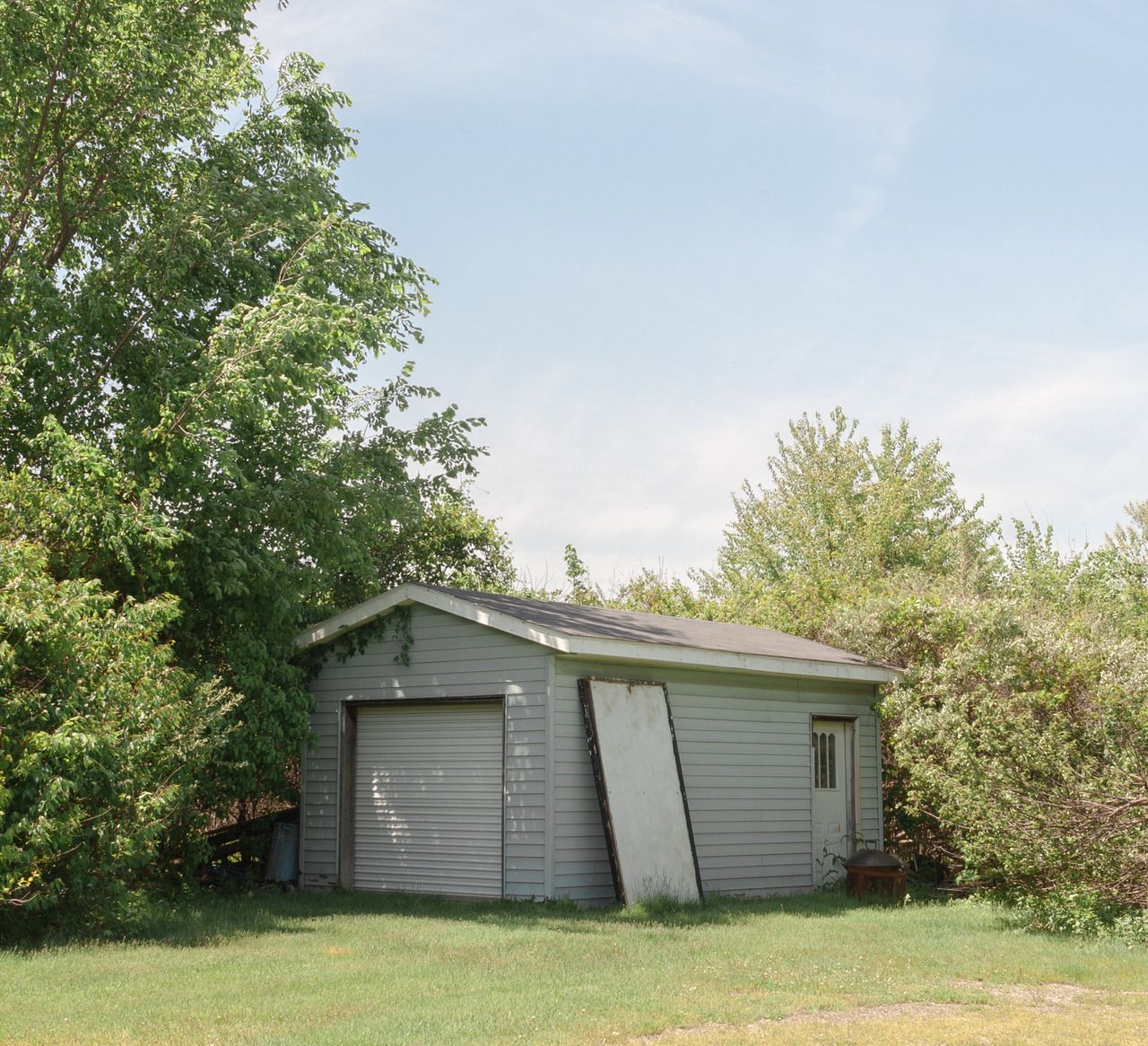
Start with storage spaces — garage, attic, shed, closets you don't open on a daily basis. These rooms hold the most forgotten items and the least emotional weight, which makes them the easiest place to build momentum before the harder rooms.
Two To Three Weeks Out
Move into daily-use spaces — kitchen, bedrooms, bathrooms — now that you've got a feel for your own decision-making pace. By this point you'll know if you're a fast tosser or someone who needs to sit with a maybe-pile overnight before deciding.
Final Week
Handle what's left: the odds-and-ends drawer, the file cabinet, the box from your last move that never got fully unpacked. If you're still on the fence about something this late, that's usually a sign to keep it and revisit the decision once you've settled into the new place.
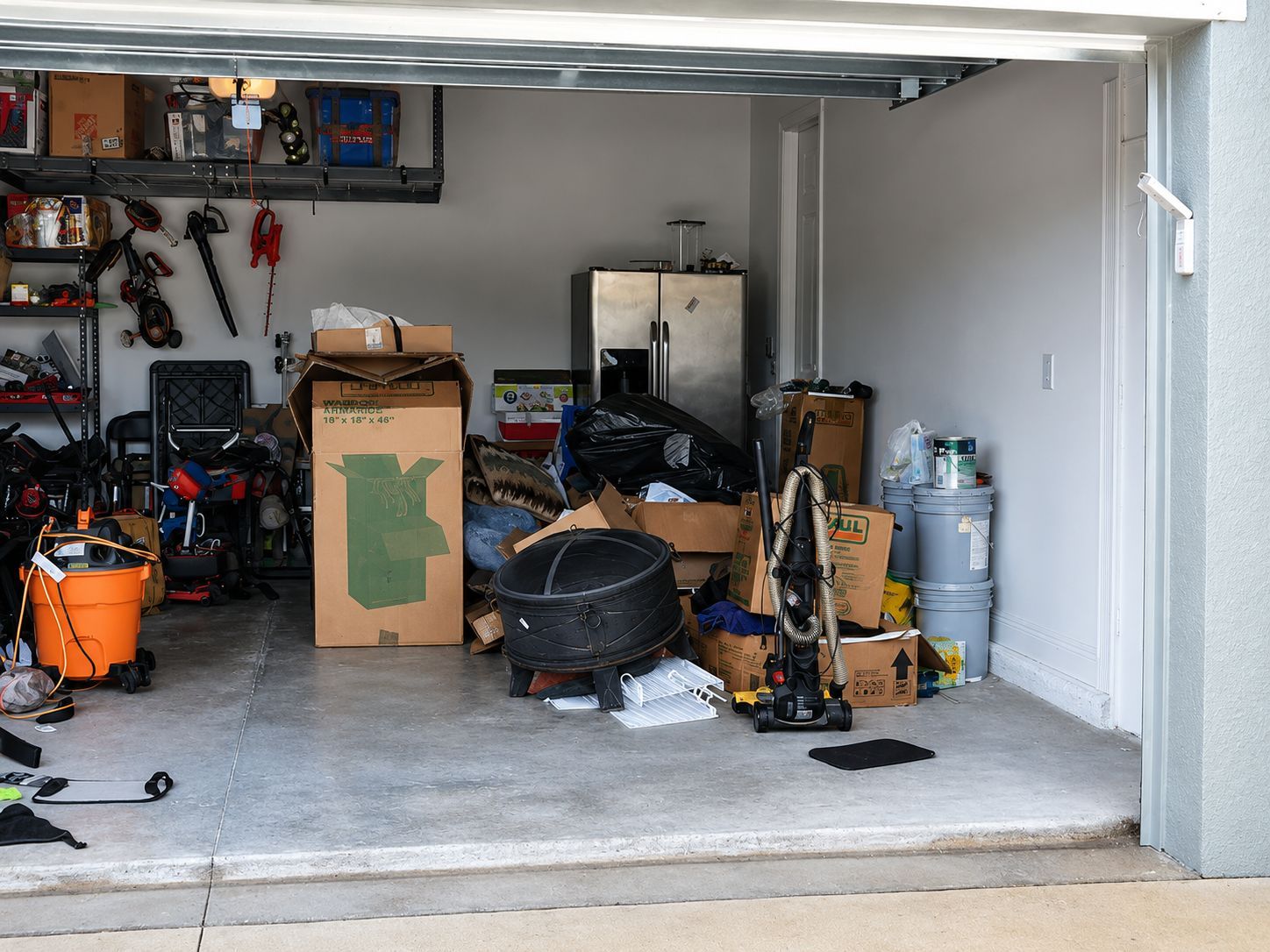
And that box from your last move — the one still taped shut in the garage? Open it. If you haven't missed what's inside for years, you won't miss it now.
The Four-Question Test for Every Item
Sorting a whole house works better with one consistent test instead of a fresh judgment call for every drawer. Ask these four questions about anything you're unsure of.
Have you used it in the past year? Not "could you use it" — actually touched it, worn it, or opened the box. A full year covers every season and every holiday. An honest no is your first clue.
Does it have a real spot in the new place? A treadmill that's been holding laundry for two years isn't exercise equipment anymore. Look at your new floor plan, not the fantasy version of how you might use the item someday.
Would you buy it again today, knowing what you know now? This question cuts through sentimentality fast. If the answer is an immediate no, the item's already told you what it's worth to you.
Is it a duplicate of something you already own? Three spatulas, two vacuum cleaners, a second set of everyday dishes still in a box from years ago — these are the easiest yeses in the whole house.
Two "no" answers usually means toss, donate, or sell it. Three or four, and you already know the answer. You just have to act on it.
Room by Room — What Actually Goes
A room-by-room pass keeps the sorting from turning into one giant, formless pile in the living room.
Closets And Clothing
Anything unworn through every season, clothes that no longer fit your current body, and shoes with worn-out soles rarely pass an honest four-question test.
Kitchen And Pantry
Duplicate gadgets, forgotten appliances still boxed, mismatched containers without lids, and spices that lost their aroma months ago belong in the donate or toss pile.
Garage, Shed, And Storage
Half-used paint cans, unidentified tools, unused holiday decorations, and sports equipment from abandoned hobbies often accumulate here, making these spaces prime decluttering targets.
Linens And Bathroom Cabinets
Thin, worn towels, expired medications and cosmetics, and spare bedding for furniture you sold years ago no longer deserve valuable storage space in your home.
Kids' Rooms And Toys
Outgrown clothes, forgotten toys, and piles of school artwork become easier to release once you've selected the few meaningful items worth keeping for memories.
TIP: Photograph sentimental items before they go — a kid's art project, an old jersey, a piece of furniture with a story attached. The photo keeps the memory. The box doesn't have to.
Furniture and the Big Stuff
Furniture is where a toss-or-keep decision takes the most effort to get right. Big pieces eat truck space, and something that doesn't fit the new layout, doesn't survive the trip well, or won't clear a narrower doorway just becomes a problem on the other end instead of a solution.
Measure Before You Decide
Pull up the floor plan of your new place, or at least the room dimensions, before you commit to keeping the sectional. A couch that dominated a big living room can swallow a smaller one whole.
Check The Condition Honestly
Wobbly frames, stained upholstery, and particleboard pieces that have already been through one move rarely make it through a second one in any better shape.
Ask If It's Earning Its Square Footage
Furniture that's become a landing spot for laundry, mail, or "stuff I'll deal with later" has already told you it's not being used for its actual purpose.
Some furniture is worth keeping even if it's inconvenient to move — a piece with real sentimental weight, or something you'd have to replace anyway. That's a fair call. Just make it a deliberate one instead of a default.
Papers, Electronics, and the Stuff Hiding in Drawers
Every house has a drawer — sometimes three or four — full of cables that connect to devices you no longer own, old phones, dead remotes, and warranty papers for appliances that got replaced years ago. This is one of the fastest categories to sort because so little of it passes the four-question test.
Shred anything with account numbers or personal information rather than tossing it whole. Old tax documents, expired insurance policies, and manuals for equipment you don't have anymore can usually go straight into the recycling stream once you've confirmed you don't need them for records.
Electronics need separate handling from regular household trash. Devices with batteries, old televisions, and small appliances often contain materials that shouldn't go into a landfill, and many recycling programs accept them specifically for that reason.
WARNING: Movers won't transport certain items regardless of how well you've packed them — propane tanks, old paint and chemicals, and other hazardous materials typically have to be handled separately, through a household hazardous waste program rather than the truck.
Sentimental Items Without the Guilt
Not everything sentimental has to get decided today, and pretending otherwise usually just stalls the whole process. Set aside a single "maybe" box for the items that actually stump you — one box, not three — and revisit it after you've settled into the new place. Distance tends to make the decision easier the second time around.
Talk to family before anything with shared history leaves the house. A rotation, a photo, or a simple conversation about who wants what prevents a lot of regret later, especially with items that carry more meaning than resale value.
If you're downsizing out of a longtime home — a common
move for retirees settling into the Tampa area — expect the sentimental category to take longer than every other room combined. That's not a failure of planning. It's just what happens when decades of a life get compressed into one moving truck.
Where the Toss Pile Actually Goes
Once the keep, sell, and maybe piles are set aside, most households are still left with a real volume of furniture, appliances, and household goods that need to leave the property one way or another.
Donation First
Usable furniture, clothing, and small appliances in working condition can go to local donation centers, several of which will schedule a pickup for larger loads.
Recycling Next
Metal, electronics, and some furniture materials can often be recycled instead of landfilled, depending on their condition.
Everything Else
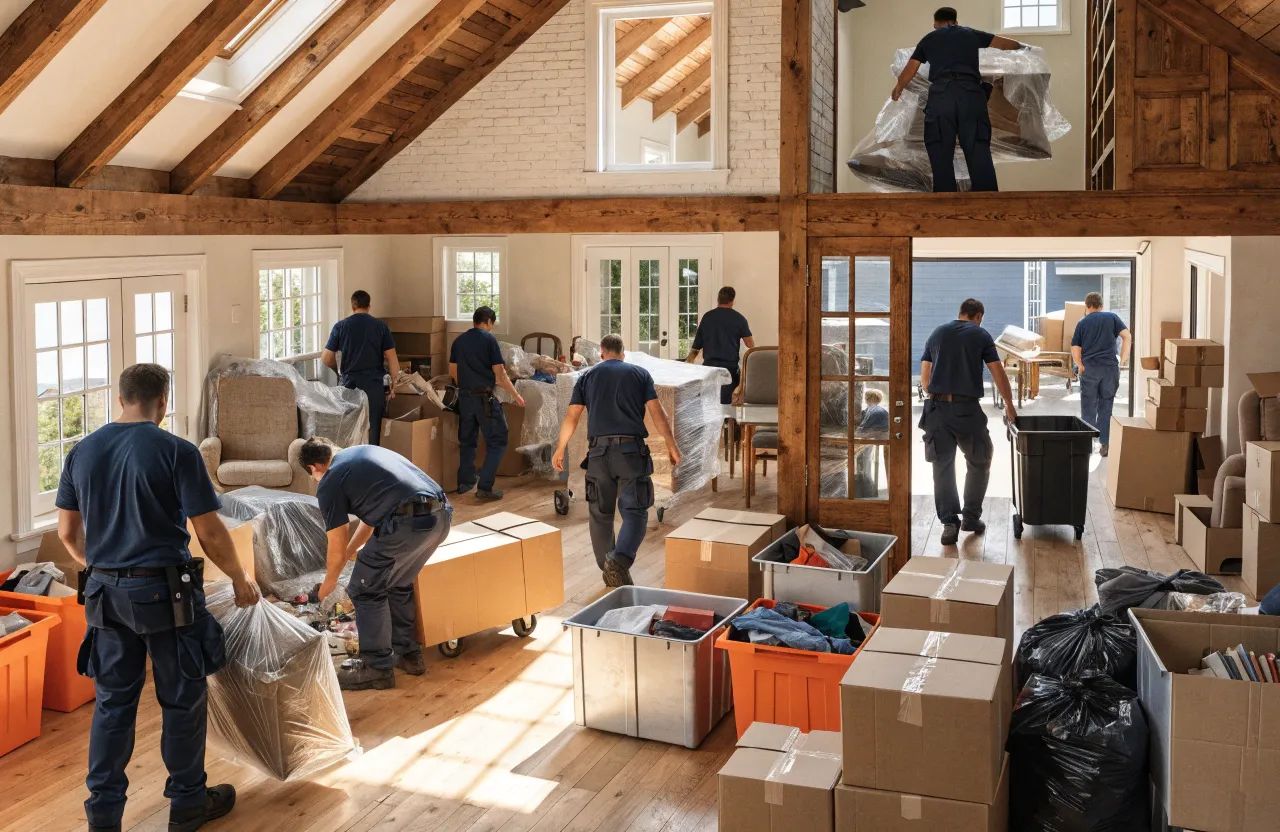
What's left after donation and recycling — broken furniture, worn-out mattresses, general debris from the garage and attic — still needs to leave the property, usually in one coordinated haul rather than a dozen separate trips to the curb.
Florida's humidity doesn't do anyone favors during this part of the process. Boxes and furniture sitting in a garage or shed through a Tampa summer pick up moisture fast, and anything left outside during storm season can turn into debris nobody wants blowing around the yard. The sooner the toss pile actually leaves the property, the less chance it has to become a bigger problem than it started as.
Frequently Asked Questions
How far before a move should I start decluttering?
Start decluttering four to eight weeks before moving. Work storage areas like the garage and attic first, since they hold the most forgotten items, then save daily-use rooms for last.
What items do movers typically refuse to load?
Propane tanks, old paint, and household chemicals are common items movers won't load onto the truck. These usually need a household hazardous waste program instead, so sort them out early.
Should I donate items before or after the move?
Donate before the move whenever possible. It means one less box to pack, load, and dig through again later, and items are easier to evaluate honestly before they're boxed up.
What's the real difference between decluttering and just packing everything?
Packing simply moves everything you own from one place to another. Decluttering decides, room by room, what's actually worth that trip, so you're not just unpacking the same clutter later.
How do I handle sentimental items I can't decide on right away?
Set aside one box, not three, for items that stump you, and revisit it once you've settled into the new place. Photographing an item first is a good middle ground.
What should I do with furniture and appliances still in good condition that I don't want to move?
Usable furniture and appliances in good condition are strong donation candidates, and many local organizations will pick up larger pieces. Anything left over still needs to leave the property somehow.
A Lighter Load Makes Moving Day Easier
Decluttering before a move rarely feels finished, and it doesn't need to. Every room you clear cuts down on boxes, truck space, and the mental weight of carrying things you've outgrown into a home that hasn't even started to feel like yours yet. Some decisions will nag at you later, and that's fine. The point was never a perfect sort. It was walking into the new place with fewer things standing between you and settling in for good.
For homeowners in St. Petersburg, FL working through this same process, Haul911 Rapid Junk Removal
has hauled away decades of collected clutter, with several
years of experience clearing garages, closets, and everything in between across the surrounding area. The work isn't glamorous, but it's the last practical step before a house actually feels ready to leave. Once the toss pile is gone, the move itself gets a lot simpler to picture and to carry out.