How Experts Handle Large-Scale Household Cleanouts Efficiently
June 23, 2026
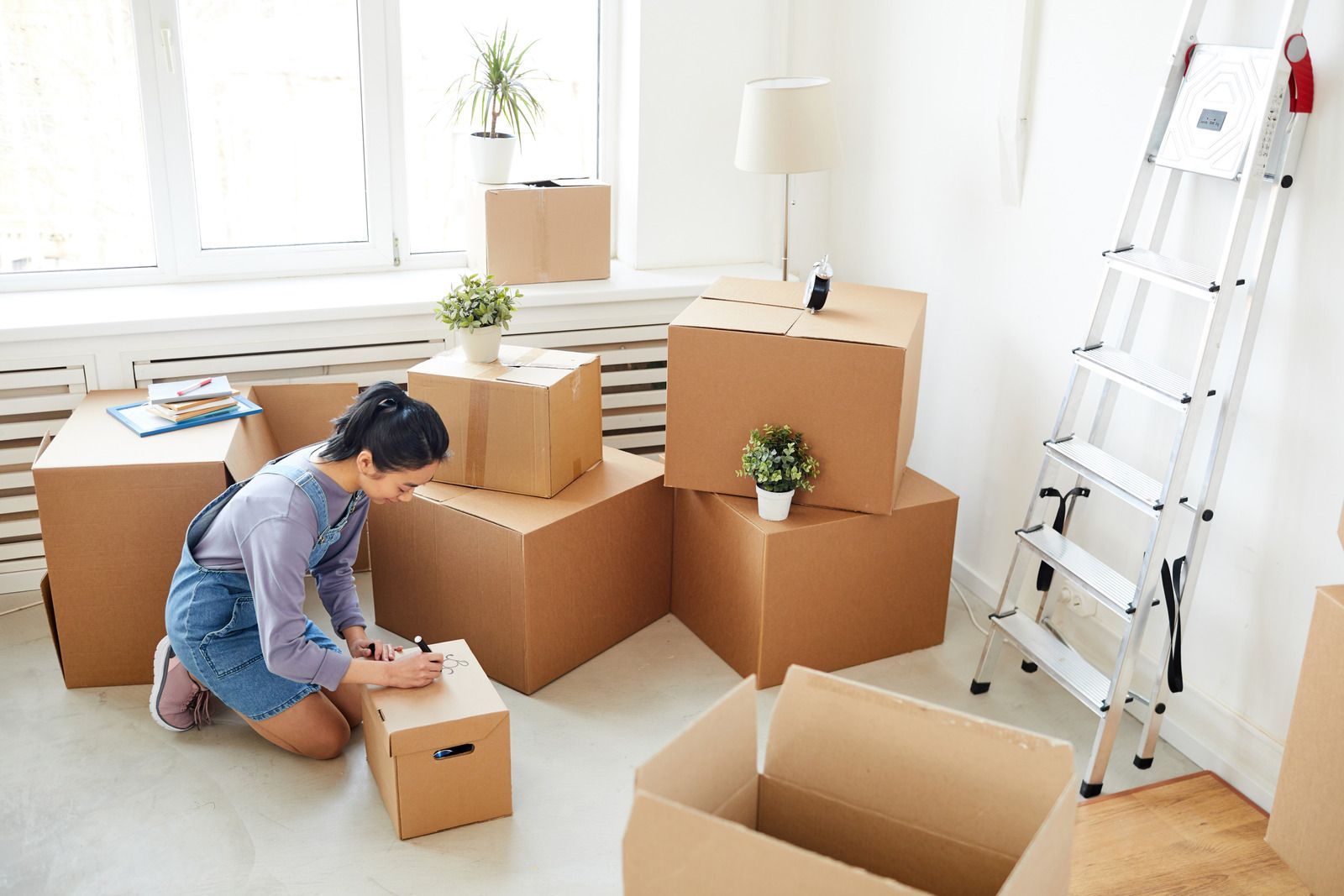
You walk into a house that holds thirty years of living. Boxes stacked along the hallway, a garage you stopped parking in years ago, closets packed so tight the doors barely shut. Maybe a parent moved into care. Maybe you finally sold the place. Maybe the clutter just won, and you woke up tired of fighting it. Whatever brought you here, you look around with no clue where one person could even begin.
Here is the part nobody tells you. The speed of a big cleanout has almost nothing to do with how fast people carry things out the door. It comes from how the work gets sorted before anyone lifts a single box. After clearing hundreds of these in the field, we can tell you the homes that empty in a day and the ones that drag on for a week look identical on the first morning. The difference is the plan. Get the sorting and the sequence right, and a house that feels impossible empties faster than you would believe.
Why a Plan Beats Brute Force Every Time
Most people attack a cleanout the wrong way. They grab the nearest box, carry it out, come back, grab the next thing, and burn out by lunch. Random effort feels productive for about an hour. Then the pile in the driveway is a mess, nobody knows what is donation and what is trash, and half the day is gone with two rooms still full.
We work the opposite way. Before anything moves, we walk the whole house and read it. Which rooms hold the heavy furniture. Where the narrow staircase sits. Whether the attic needs clearing before the summer heat makes it unbearable. A ten minute walkthrough saves three hours of backtracking. In a packed 1,500 square foot bungalow, that planning window is the single biggest factor between a one day job and a three day slog.
The Four Pile System That Keeps Everyone Moving
Everything in the house lands in one of four groups: keep, donate, recycle, and haul. The trick is deciding the rule once, then never stopping to debate each item again. Hesitation is what kills momentum.
Keep is the smallest pile and gets pulled first, so nothing valuable leaves by accident. Donate covers furniture, working appliances, clothing, and household goods still in usable shape. Recycle catches metal, cardboard, and electronics. Haul is everything broken, soaked, moldy, or past saving. Once those four zones are marked with tape or a few signs, two people can move through a room three times faster, because the only question left is which corner a thing belongs in.
Working Room by Room in the Right Order
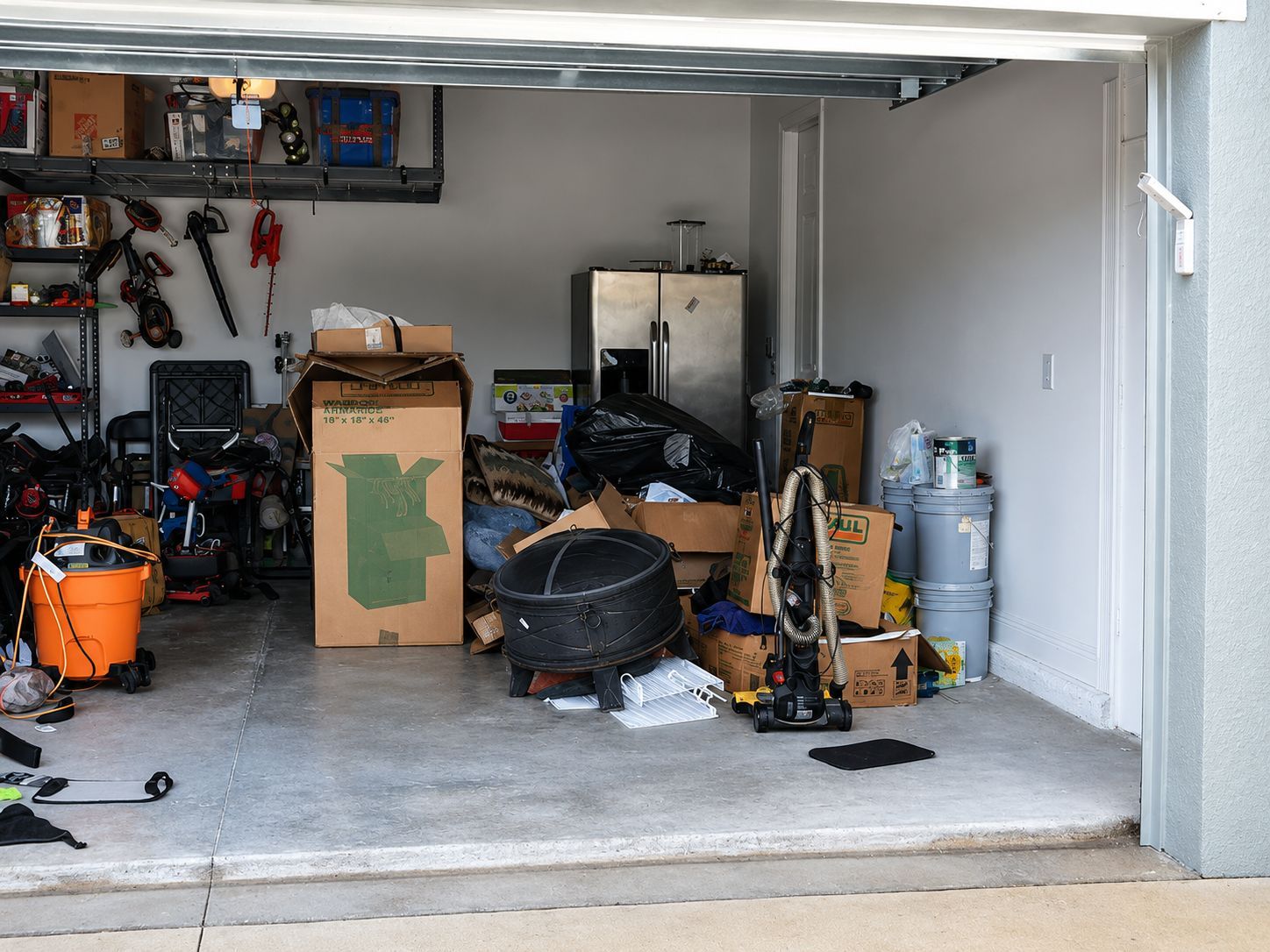
Start with the room that buys you the most space. We almost always begin with the garage or a spare room, because clearing it first gives you a staging area for everything else. Empty that, and suddenly you have somewhere to stack donations and sort boxes without tripping over them. Clearing a back bedroom first, with no open space, is how people shuffle the same pile four times.
Kitchens and bathrooms go faster than they look. Bedrooms and living rooms hold the bulk and the weight. Attics and sheds come last, and in our area they come early in the day on purpose. An attic here in July can climb past 120 degrees by noon, so anything stored up there gets pulled in the cool morning hours before the roof turns the space into an oven.
Handling the Heavy and Awkward Stuff
The injuries on a cleanout almost never come from the volume. They come from one bad lift on a stairwell. The older bungalows around Old Northeast and Kenwood are full of 1920s staircases, tight doorways, and original hardwood you do not want gouged. A sleeper sofa or an upright piano on a turn like that is a planning problem, not a strength problem. We measure the path, pad the corners, and break down whatever comes apart before it ever moves. A dresser with the drawers still in it weighs three times what it should and catches every door frame on the way out.
WARNING: Never try to muscle a heavy appliance or a full filing cabinet down a flight of stairs alone. A single slip on a Florida stairwell, often slick with summer humidity, can pin a leg or crush a hand in seconds. Anything over roughly 75 pounds needs two people and a proper strap or dolly, every time.
Why Florida Cleanouts Are Their Own Beast
Humidity is the thing that makes a Tampa Bay cleanout different from one up north. Cardboard stored in a garage or attic here does not stay crisp. It softens, sags, and grows mildew within a couple of damp seasons, so a box you think is full of keepsakes can fall apart in your hands and spill across the floor. Anything sitting on a concrete slab wicks moisture from below. We open those boxes outside when we can, because the musty smell and the occasional roach nest are part of the territory in Pinellas County.
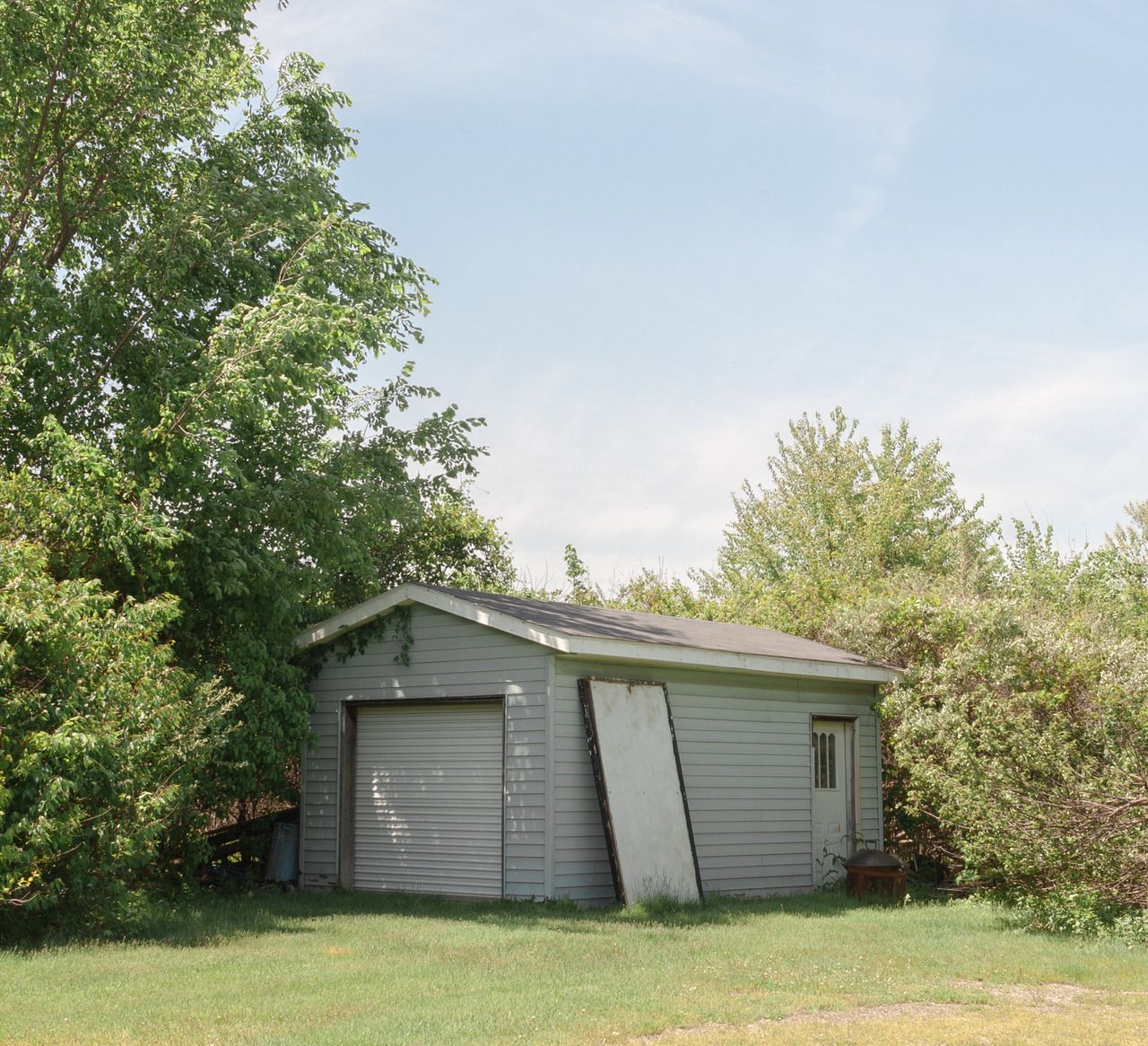
Sheds and lanais add another layer. Metal shelving rusts, particle board furniture swells and crumbles, and stored holiday decorations turn brittle after a few summers near the Gulf. Hurricane season pushes a wave of cleanouts every year too, as people finally clear the garage and yard before the next storm fills it back up. A cleanout here is rarely just hauling. It is sorting through what the climate already ruined.
TIP: Before you start, open every closed box that has sat in a garage, shed, or attic through a Florida summer. Mold and pests hide in the ones nobody has touched in years, and you want to find that in daylight, not mid lift.
Mistakes That Turn a One Day Job Into a Week
The most common mistake is sorting too carefully. People sit down to read every old letter and flip through every photo album, and an afternoon vanishes on one box. Set aside a single keepsake bin for the truly personal items and deal with it after the house is clear. Sentiment is real. It just does not belong in the middle of a working cleanout.
The second mistake is renting a dumpster and assuming that solves it. A dumpster sits in the driveway and still needs everything carried to it, sorted, and lifted in by hand, often in the heat. The third mistake is starting without an end date. A cleanout with no deadline expands to fill weeks. Pick the day, work the plan, and treat it like a finish line.
Frequently Asked Questions
How long does a full house cleanout usually take?
A two or three bedroom home with normal clutter clears in one focused day. Packed homes, heavy furniture, or tough attic and shed access can push it to two. Your sorting speed matters more than the square footage, which is why we plan the whole route before anyone starts lifting.
Do I have to sort everything before you arrive?
No. We sort on site as part of the work, separating keep, donate, recycle, and haul. The one thing worth doing first is pulling out anything personal or valuable you want to be certain stays with you. Set those items in one room, and we handle the rest from there.
Is it safe to clear out a hoarded or mold heavy home myself?
We recommend against it. Heavy mold, hidden pests, and unstable stacks put your lungs and footing at real risk. In Florida humidity those hazards grow fast and spread deep into stored boxes. Let trained hands in proper gear handle anything that looks soaked, smells musty, or simply feels biologically off.
Does humidity really ruin stored items here?
Yes, more than people expect. Pinellas County humidity softens cardboard, rusts metal shelving, and swells particle board within a couple of damp seasons. Boxes that sat in a garage for years often arrive at our truck already falling apart and musty, which is why we always open them outside first.
What happens to everything once it leaves the house?
We split it. Usable furniture, appliances, and clothing go to donation sites. Metal, cardboard, and electronics head to recycling. Only what is broken or ruined gets hauled to disposal. Sorting it this way keeps far more out of the local landfill than a single dumpster in the driveway ever could.
Trusted Hands for Every Large Household Cleanout
The homes that empty fast are never the ones with the strongest backs. They are the ones where the sorting and the sequence got decided before the first box moved. That is the whole game. With several
years of experience, we have learned that preparation always matters more than brute force. In our corner of Florida, it carries extra weight because the humidity, the summer attic heat, and hurricane season mean a
cleanout
is rarely just hauling. It is sorting through what the climate already wore down. When you are ready to clear a whole house without losing a week to it, Haul911 Rapid Junk Removal
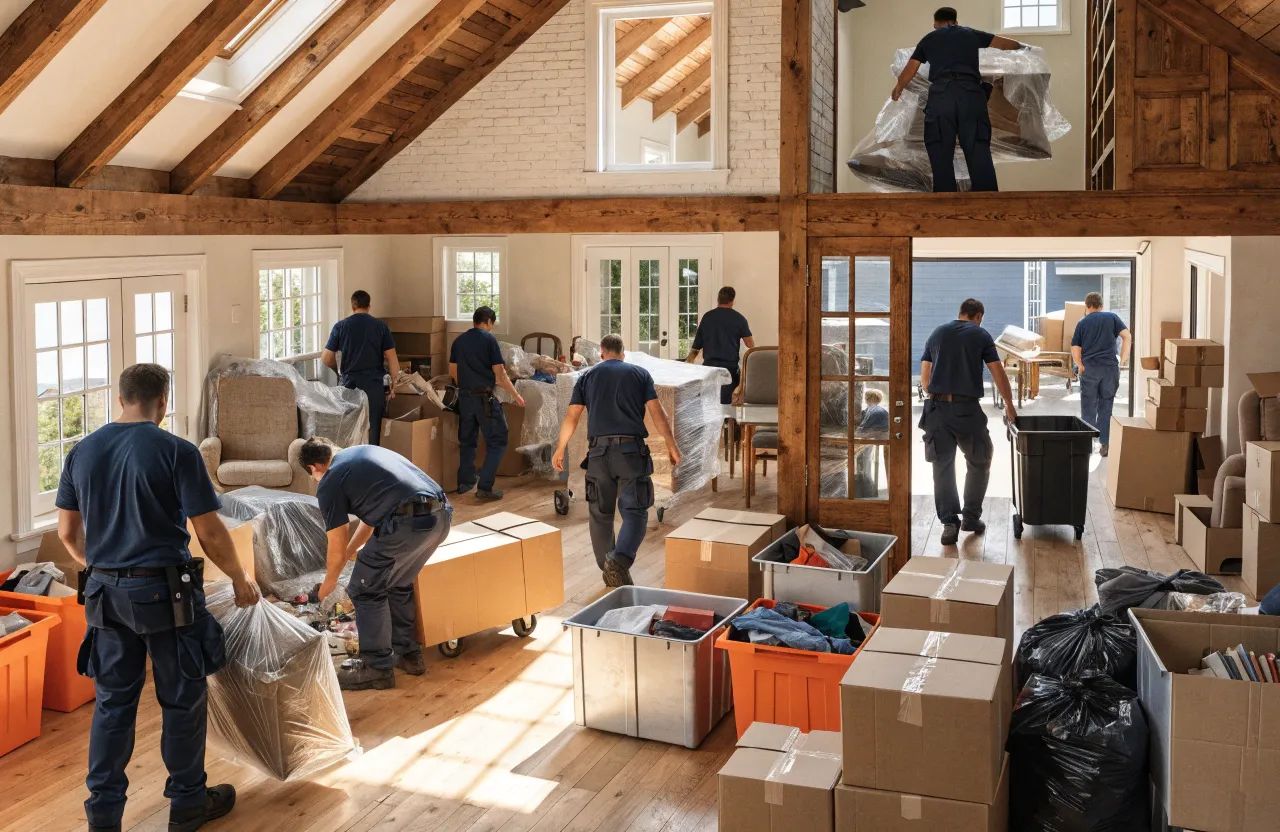
brings our crew, our trucks, and a proven system to get it done in a day. We serve St. Petersburg, Florida, and the surrounding communities. Walk us through the house, and we will hand you back the space.